The Principle
Lawrence Sher's career arc traces the journey from Hollywood comedy workhorse to prestige drama contender — a trajectory that mirrors the career of his primary collaborator, Todd Phillips. But Sher's work on Joker (2019) did not come from nowhere. Even in the broad comedies of The Hangover trilogy, Sher's images displayed a commitment to motivated lighting, authentic location photography, and the careful construction of visual worlds that feel INHABITED rather than assembled.
Joker revealed the full scope of Sher's ability: a character study set in a meticulously realized 1981 New York/Gotham, photographed with the gritty, grain-forward, warm-and-dirty palette of 1970s American cinema (Taxi Driver, Dog Day Afternoon, The French Connection). Sher's Arthur Fleck exists in a world of sodium-lit subway platforms, fluorescent-flickering social services offices, and the warm amber of aspirational TV studios — each environment precisely calibrated to express the psychological landscape of a man becoming a monster.
Light
1970s Urban Grit
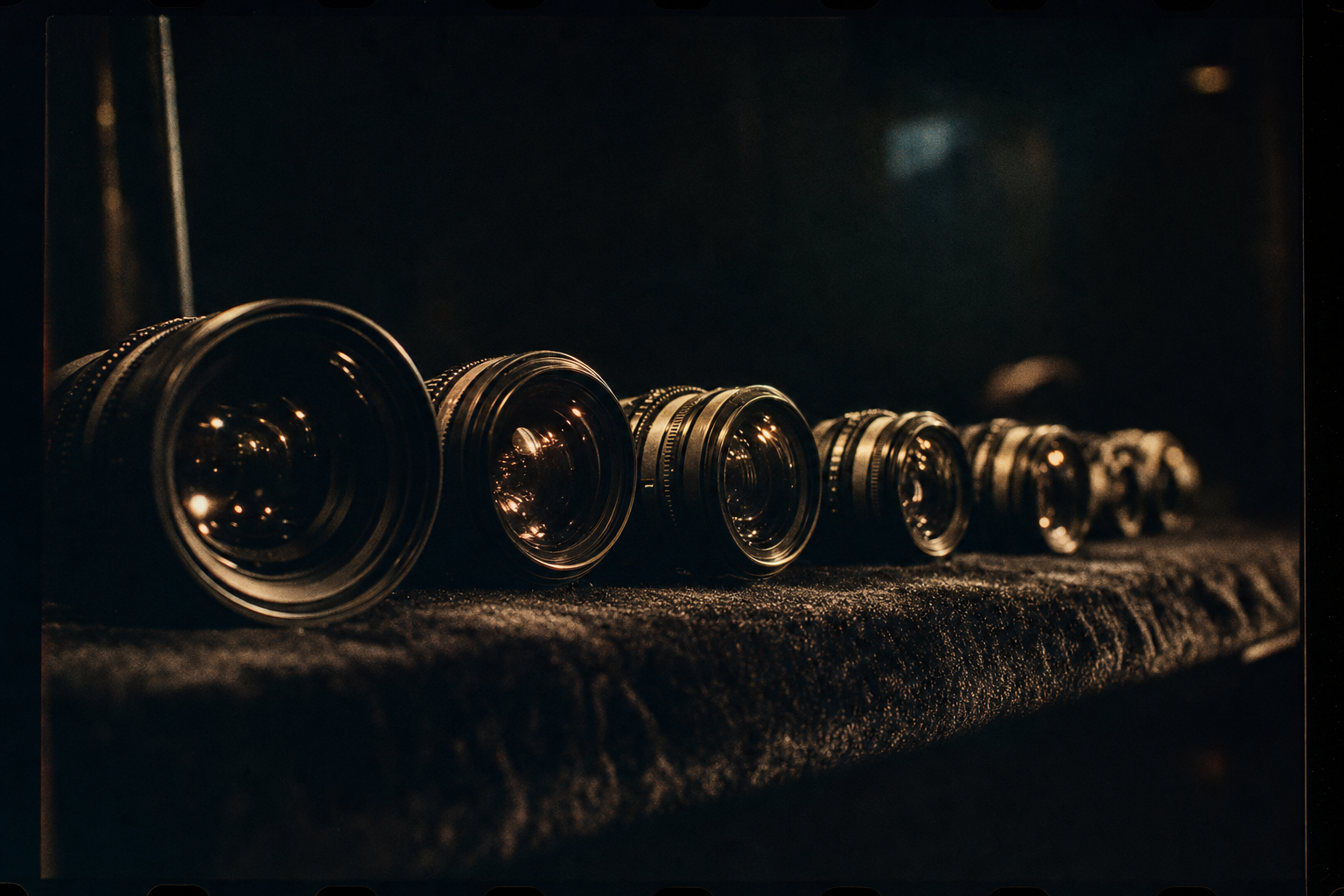
Joker (2019): Sher reconstructed the lighting conditions of early-1980s New York: sodium-vapor streetlights casting their orange pall, fluorescent tubes in institutional interiors creating their characteristic green-tinged flatness, and the warm tungsten of domestic spaces. He shot on large-format digital (ARRI Alexa 65) but processed the image to evoke the grain and contrast of 1970s film stock. The result is a world that feels PERIOD without feeling precious — the grit is functional, not nostalgic.
The subway sequences — lit almost entirely by the actual fluorescent tubes of New York subway cars, supplemented only by minimal key light to protect Joaquin Phoenix's face. The flat, harsh, unflattering quality of the light makes every bead of sweat, every smeared makeup line, every pore visible. There is no glamour in this light. There is only EXPOSURE.
Comedy Light
Sher's comedy work — The Hangover, War Dogs, Garden State — demonstrates a different but equally valid lighting approach: clean, motivated, slightly heightened naturalism that serves the comedy without calling attention to itself. Las Vegas in The Hangover is lit with the actual excess of the Strip — neon, LED screens, hotel lobby chandeliers — while maintaining enough control to keep faces readable and compositions clean.
Color
The Joker palette. Warm amber and sickly green — the two dominant color temperatures of Joker represent the two worlds Arthur Fleck inhabits: the warm, aspirational world of Murray Franklin's TV show (the world he wants to JOIN) and the cold, institutional world of social services and subway platforms (the world he INHABITS). The collision of these two palettes is the collision of Arthur's fantasy and reality.
Period desaturation. Sher desaturates Joker's palette toward the muted, tobacco- stained quality of 1970s film stock — colors are present but WORN, as if the image itself has been aging in a projector for forty years.
Composition / Camera
The character study frame. Sher's Joker compositions are classical: close-ups that fill the frame with Phoenix's face, medium shots that place him within the grimy geometry of Gotham's architecture, wide shots that show his isolation within hostile environments. The camera follows Arthur with the patience of a documentarian and the eye of a portraitist.
The staircase. The famous Joker staircase dance — Sher shoots this with the elevated freedom of a character who has finally abandoned reality. The camera, previously restrained and observational, becomes fluid and celebratory. The shift in camera style IS the shift in character: constraint giving way to chaos.
Specifications
- Period light, modern capture. Use contemporary camera technology to capture images
that evoke the lighting conditions, color science, and grain structure of a specific historical era. The period should be in the LIGHT, not just the production design.
- Institutional light as psychology. Fluorescent, sodium, and other institutional
light sources are not just period details. They are EXPRESSIONS of the environments that shape (and damage) the characters who live under them.
- Warm aspiration, cold reality. Use color temperature as narrative shorthand: warm
tones for the world the character WANTS, cool tones for the world they HAVE.
- Follow the transformation. Let the camera style evolve as the character evolves.
A character study should be visible in the way the camera RELATES to its subject over the course of the film.
- Grit is specific. Period grit is not generic "dirtiness." It is the specific
quality of a specific city in a specific era: the exact sodium orange, the exact fluorescent green, the exact level of filth. Research the period. Match it exactly.